

As AI quickly becomes embedded in creative spaces, a new forecast from Canva points to a surprising priority: the human touch in design.
On Wednesday, the design platform released its annual design trends report, titled "2027, the Year of Making it Real." While the use of the word "real" already seemed like a reference to the amplification of AI slop, the report emphasized that designs will lean into the processes that spotlight human creativity, thought, and creative intention.
"Canva is a tool that can accelerate and support the creative process – helping people get started, solve problems, and create something they are proud to share — not replace the imagination, judgment, and originality only people can bring," a Canva spokesperson told The Deep View.
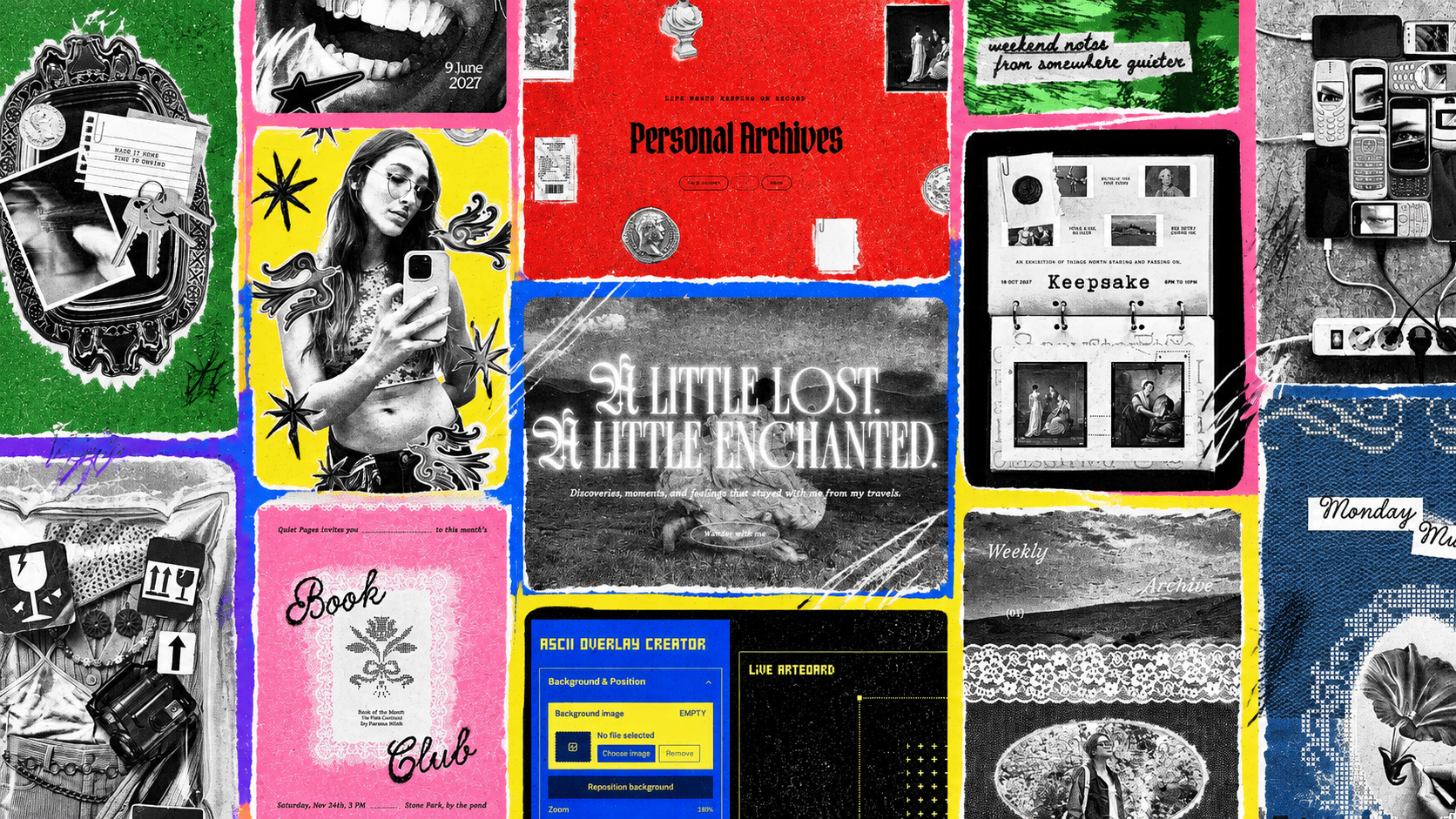
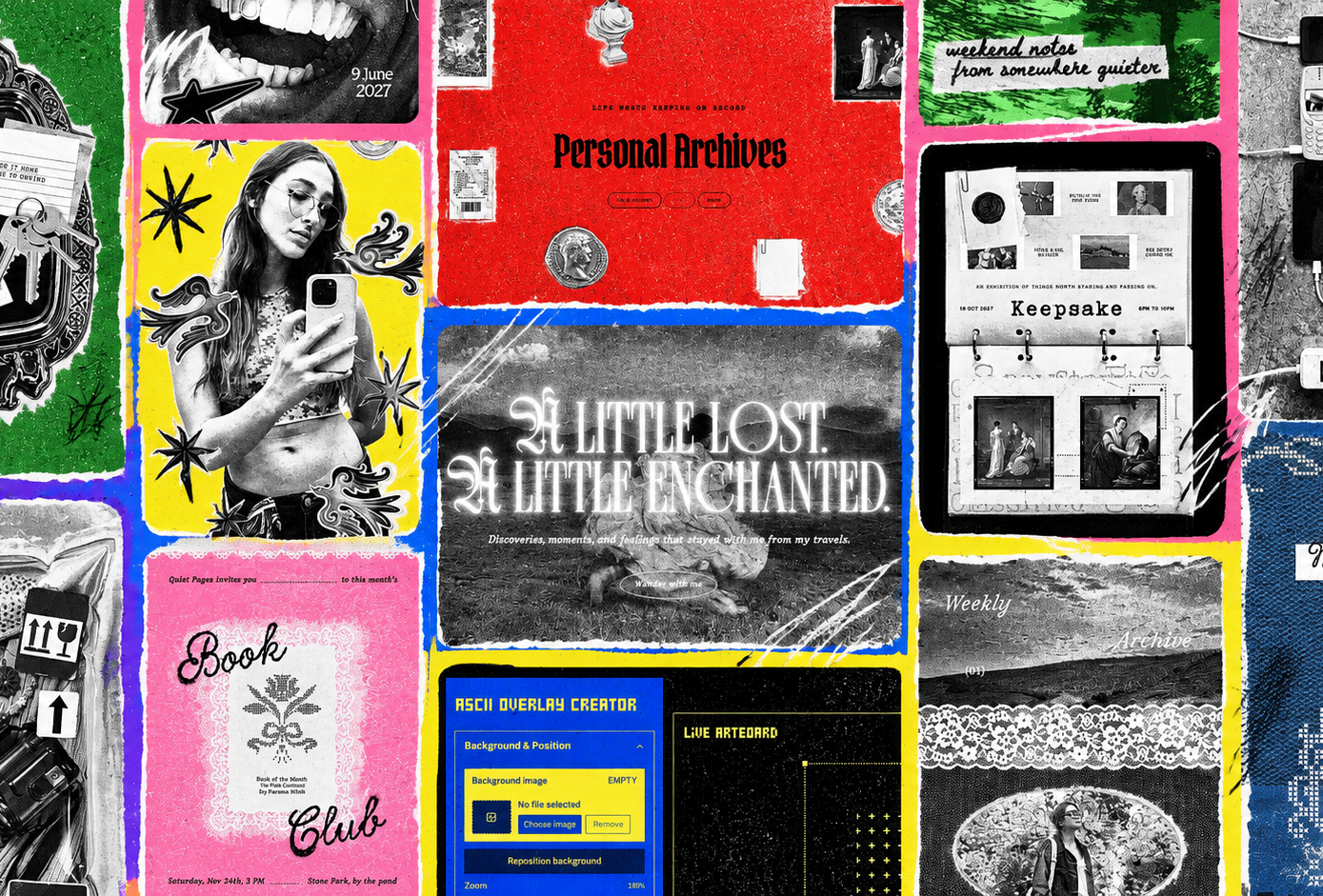
In the report Canva analyzed design trends by studying spikes in search terms, such as a 249% increase in "junk journal" and a 334% increase in "vibe coding." These trends were then broken up into five different categories, including:
- Archive era: The inclusion of documented, authentic, physical or on-the-record proof, such as photographs, letters, tickets, and trinkets.
- Codebreaking: A focus on the role of the tools itself as part of the creative act, and "remaking tech as a tool for self-expression."
- Slow burn: Instead of prioritizing quick outputs, this category of design emphasizes the intricacy of human craftsmanship and ornamentation, aiming to celebrate "craft as a human signature."
- Rebel by Design: This category focuses on deliberately standing out using design elements, such as loud type, layered collage, high-voltage color and more.
- Wonderstruck: This trend brings back the whimsy, with emphasis on glowing landscapes, illustrated vignettes and more.
When asked further on the position Canva is taking as a platform to center creatives in the age of AI, the company told The Deep View that users are in control of how they create on Canva, noting that even when a user works from a template, the original designer who created it gets compensated.
Our Deeper View
The predictions in this report drew my attention because it highlights a pendulum swing that I have been discussing with fellow creatives in my personal life: As a response to the AI slop that has permeated nearly every category of digital media, many people will go the opposite route, often drawn back to manual art and physical media that cannot be AI-generated, such as calligraphy, oil painting, film and more. The Canva report shows that this may also be manifesting itself in digital works, with designers finding new ways to make sure their work is differentiated from the masses which AI could easily reproduce as designers search for creative ways to add a clear human signature to set their work apart.